Warning: Creating default object from empty value in /home/gssn/public_html/ipsorg/blog/ips/wp-content/themes/platform/includes/class.layout.php on line 164
Warning: Creating default object from empty value in /home/gssn/public_html/ipsorg/blog/ips/wp-content/themes/platform/includes/class.layout.php on line 167
Warning: Creating default object from empty value in /home/gssn/public_html/ipsorg/blog/ips/wp-content/themes/platform/includes/class.layout.php on line 170
Warning: Creating default object from empty value in /home/gssn/public_html/ipsorg/blog/ips/wp-content/themes/platform/includes/class.layout.php on line 173
Warning: Creating default object from empty value in /home/gssn/public_html/ipsorg/blog/ips/wp-content/themes/platform/includes/class.layout.php on line 176
Warning: Creating default object from empty value in /home/gssn/public_html/ipsorg/blog/ips/wp-content/themes/platform/includes/class.layout.php on line 178
Warning: Creating default object from empty value in /home/gssn/public_html/ipsorg/blog/ips/wp-content/themes/platform/includes/class.layout.php on line 180
Warning: Creating default object from empty value in /home/gssn/public_html/ipsorg/blog/ips/wp-content/themes/platform/includes/class.layout.php on line 202
Warning: Creating default object from empty value in /home/gssn/public_html/ipsorg/blog/ips/wp-content/themes/platform/includes/class.layout.php on line 206
Warning: Creating default object from empty value in /home/gssn/public_html/ipsorg/blog/ips/wp-content/themes/platform/includes/class.layout.php on line 224
Warning: Creating default object from empty value in /home/gssn/public_html/ipsorg/blog/ips/wp-content/themes/platform/includes/class.layout.php on line 225
Warning: Creating default object from empty value in /home/gssn/public_html/ipsorg/blog/ips/wp-content/themes/platform/includes/class.layout.php on line 227
Warning: Creating default object from empty value in /home/gssn/public_html/ipsorg/blog/ips/wp-content/themes/platform/includes/class.layout.php on line 321
Warning: Creating default object from empty value in /home/gssn/public_html/ipsorg/blog/ips/wp-content/themes/platform/includes/class.layout.php on line 321
Warning: Creating default object from empty value in /home/gssn/public_html/ipsorg/blog/ips/wp-content/themes/platform/includes/class.layout.php on line 321
Warning: Creating default object from empty value in /home/gssn/public_html/ipsorg/blog/ips/wp-content/themes/platform/includes/class.layout.php on line 321
Warning: Creating default object from empty value in /home/gssn/public_html/ipsorg/blog/ips/wp-content/themes/platform/admin/class.options.metapanel.php on line 56
Warning: Creating default object from empty value in /home/gssn/public_html/ipsorg/blog/ips/wp-content/themes/platform/admin/class.options.metapanel.php on line 49 Applying Lessons from the Cuban Missile Crisis to Iran | IPS Writers in the Blogosphere
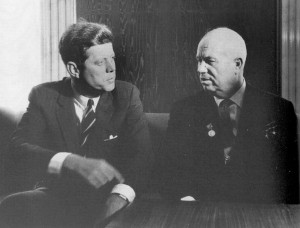
In his debunking of the myths surrounding the Cuban missile crisis, Slate journalist Fred Kaplan derives lessons that can be applied to the ongoing dispute over Iran’s nuclear program. His second and third points, in particular, stand out (emphasis mine):
Second, at some point, one side might clearly have the upper hand, in which case it should seek ways to give the other side a way out. This doesn’t necessarily mean surrendering the interests at stake. The Jupiter missiles that JFK traded weren’t much good anyway. The United States was about to station new Polaris submarines in the Mediterranean; each sub carried 16 nuclear missiles and was less vulnerable to attack. The United States, in other words, gave up nothing in military capability.
Third, there is no contradiction between striking a deal and maintaining vigilance; compromise is not the same as appeasement. According to a cleverly titled new book by David Coleman, The Fourteenth Day: JFK and the Aftermath of the Cuban Missile Crisis, disputes continued for months after the Turkish deal was struck, and tensions occasionally flared, over the terms and timing of the withdrawal of Soviet weapons from Cuba. Kennedy held his ground. But neither side stormed off or retriggered the crisis.



 In his debunking of the myths surrounding the Cuban missile crisis, Slate journalist Fred Kaplan


 From IPS News